
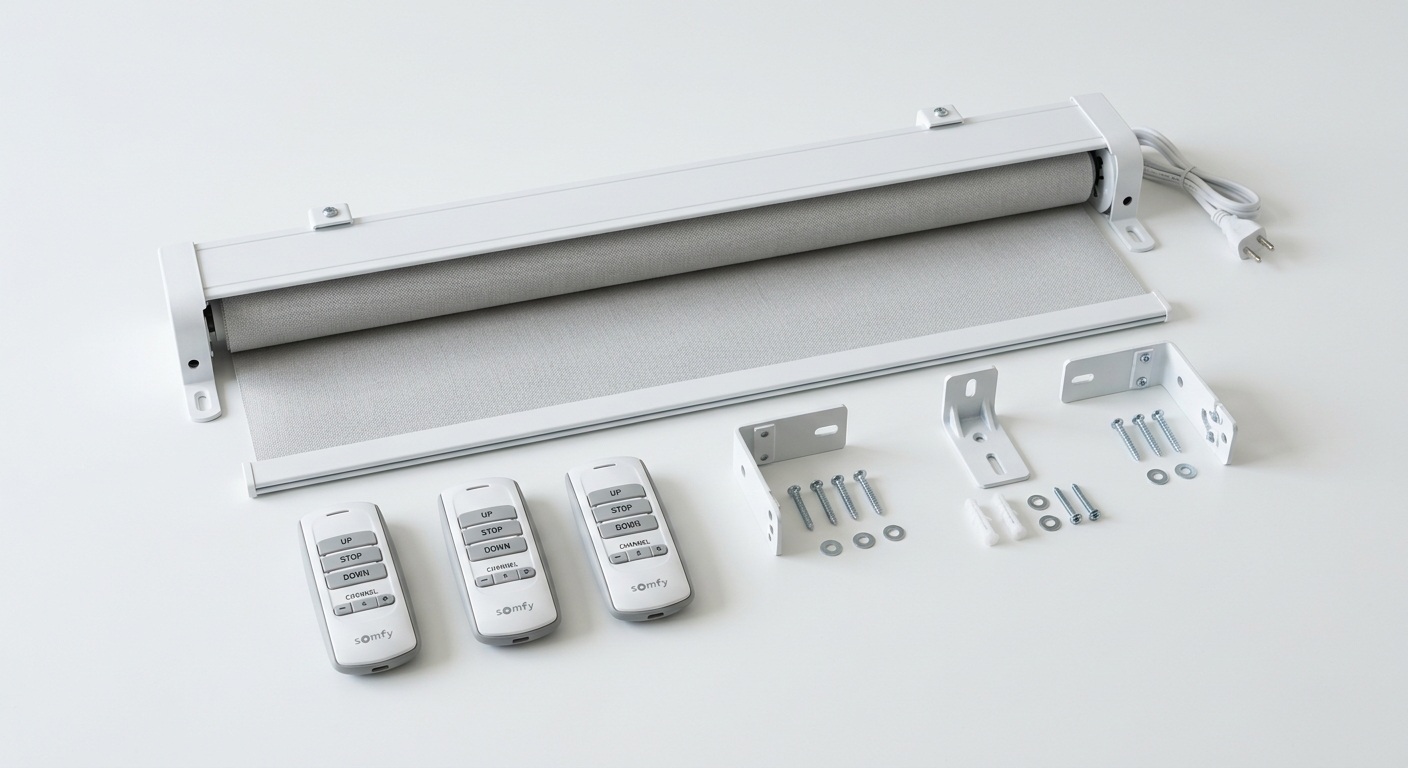
Motorized shades work perfectly well as a standalone system with their own dedicated remote or app, but integrating them into a broader smart home platform is where they become part of coordinated whole-home scenes rather than one more separate app to manage.
What Integration Actually Unlocks
Standalone shade control means opening a separate app or using a separate remote specifically for shades. Integrated shade control means a single "Good Morning" or "Movie Night" scene, triggered from your smart home platform's app, keypad, or voice control, adjusts shades alongside lighting, climate, and AV — all from one action rather than several separate ones across different apps.
Platform Compatibility Matters
Before choosing a shade brand, confirm it has native integration support with your smart home platform (Control4, Savant, or others) if you have one or are planning one — some shade brands integrate cleanly and natively, while others require workaround integrations that can be less reliable or lack full feature support (like fine-grained position control rather than just open/closed).
Lutron's Integrated Shading Line
Lutron, widely used for lighting control, also produces a shading line specifically designed to integrate natively with its own lighting platform and with most major whole-home automation systems — a common reason Lutron shading gets recommended alongside Lutron lighting for homeowners already using or considering that platform.
Coordinating Shades With Security
Shade position can be tied into security scenes — closing automatically when an "Away" scene activates for privacy, or as part of a vacation-mode routine that varies shade position along with lighting to help an empty home appear occupied.
Coordinating Shades With Climate
As covered in more depth in our energy savings guide, shade automation tied to sun position and thermostat scheduling compounds the cooling benefit beyond what either system delivers independently — a genuine reason to plan shade automation and climate control together rather than as entirely separate projects.
If You're Not Ready for a Full Smart Home System Yet
Even if a full whole-home automation platform isn't in the current budget, choosing a shade brand with confirmed integration support keeps that option open for later — retrofitting shades to work with a smart home system added afterward is far more limited than choosing compatible hardware from the start.
The Bottom Line
Motorized shades deliver real value standalone, but the jump to genuinely coordinated, scene-based operation — the version most homeowners picture when they imagine a "smart home" — happens through integration with a broader platform, which is worth planning for even if the full system comes later.