
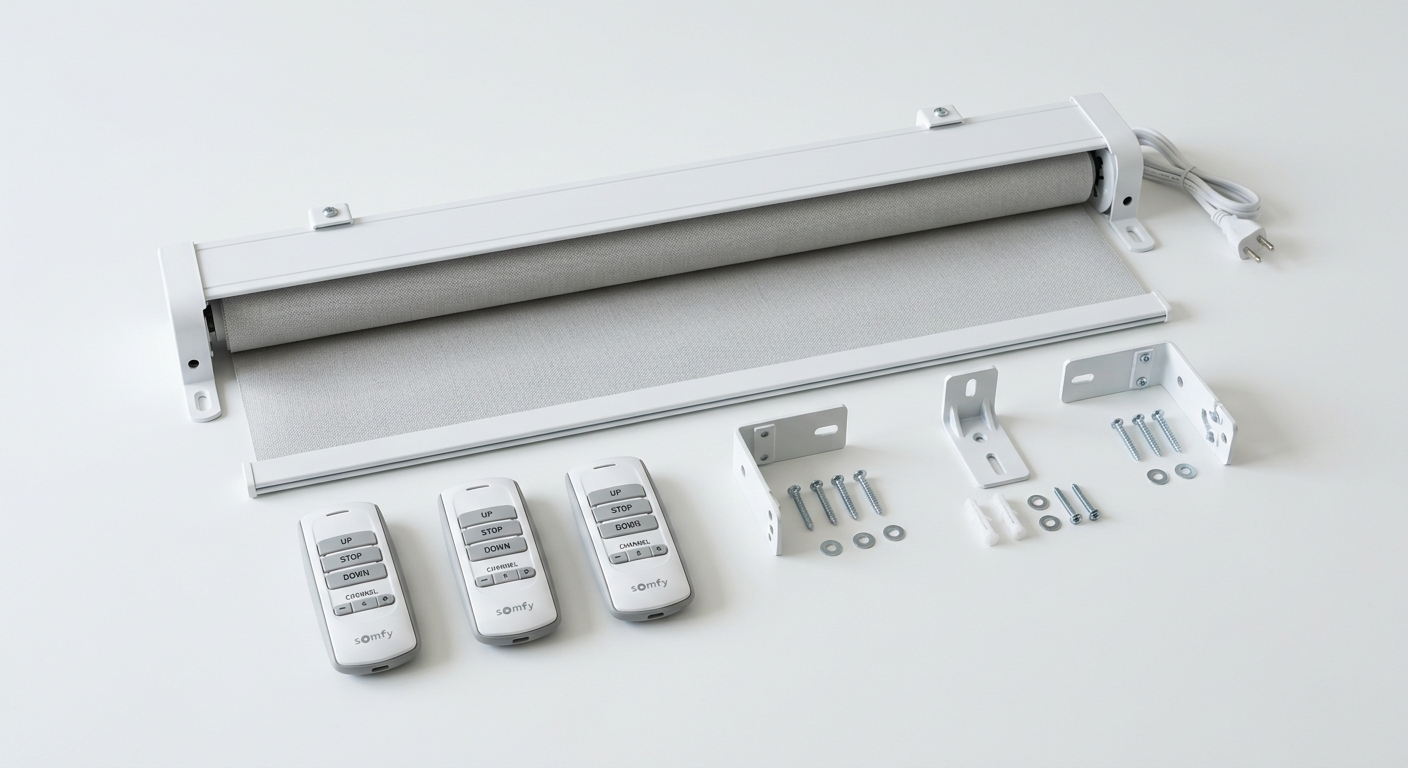
Windows are one of the largest sources of unwanted heat gain in most Florida homes, and shades — particularly solar shades used with consistent automation — are one of the more measurable ways to reduce the cooling load that heat gain creates.
Where the Heat Actually Comes From
Direct sun through glass transmits both visible light and significant heat energy into a room — a well-documented effect that's especially pronounced on west and south-facing windows during Florida's long, intense afternoon sun exposure. This heat gain forces the AC system to work harder to maintain a set temperature, directly increasing energy use during exactly the hours cooling demand is already at its peak.
How Solar Shades Address This
Solar shade fabric, chosen with an appropriate openness factor and color for the window's exposure, blocks a meaningful percentage of solar heat before it enters the room at all — addressing the problem at the source rather than relying entirely on the AC system to remove heat after it's already indoors. This is a fundamentally different and often more efficient approach than compensating with additional cooling capacity.
Why Automation Matters More Than the Shades Themselves
Manually operated shades only deliver their energy benefit if someone consistently closes them during peak sun hours — a habit that reliably lapses over time. Automated, scheduled, or sun-tracking shade operation captures the energy benefit consistently, every day, regardless of whether anyone remembers to manually adjust them — which is why automation is often the difference between a marginal and a meaningful real-world energy impact from the same shades.
Compounding With Other Systems
Shades that close automatically during peak sun reduce the AC's workload at the exact time it would otherwise be working hardest, which compounds with other efficiency measures (a smart thermostat's scheduling, for instance) more effectively than either measure alone — the shade reduces the heat load the thermostat's cooling system has to overcome in the first place.
Realistic Expectations
Shades won't replace proper insulation or window quality as the primary defense against heat gain in a poorly insulated home, but as a standalone upgrade — particularly for homes with significant west or south-facing glass — automated solar shades commonly deliver a noticeable, measurable reduction in peak cooling demand, alongside the privacy and light-control benefits shades provide regardless of the energy angle.
The Bottom Line
The energy case for motorized shades rests heavily on consistency — solar shade fabric matched to each window's exposure, combined with automation that actually closes shades during peak sun every single day without requiring anyone to remember, is what turns a good idea into a measurable reduction in cooling costs.