
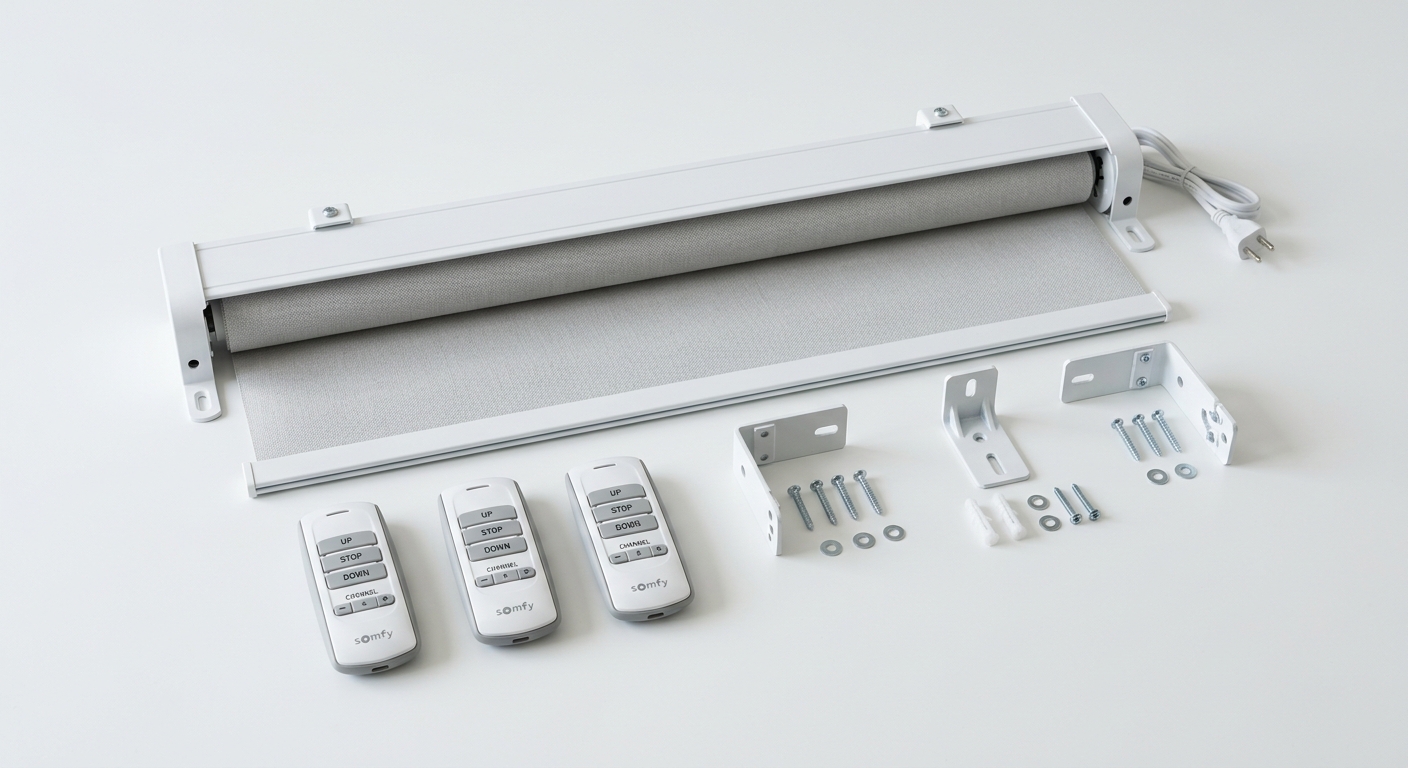
A motorized shade with just a remote control is a modest upgrade over a manual pull cord. A shade system with real automation is where the bigger day-to-day value shows up.
Time-Based Scheduling
The simplest automation is a fixed daily schedule — shades that raise at a set morning time and lower at a set evening time, without any manual input required. This alone eliminates the daily habit of manually adjusting shades throughout the house, which is often the single biggest usability improvement homeowners notice after installation.
Sun-Tracking Automation
More advanced systems use the sun's actual position (calculated based on your location and the time of year) to trigger shades specifically when direct sun hits a given window, rather than a fixed daily time that doesn't account for seasonal changes in the sun's path. This is particularly useful for west-facing rooms in Florida, where afternoon sun intensity and timing shift meaningfully across the year.
Common Scenes
- "Good Morning" — raises shades throughout the main living areas, often paired with lighting adjustments.
- "Movie Night" — lowers blackout shades in a media room or home theater alongside dimming lights.
- "Away" — sets shades to a specific position (often used alongside security scenes) to help an empty home look occupied.
- "Sun Protection" — lowers solar shades specifically on west or south-facing windows during peak afternoon heat, independent of a fixed daily schedule.
- "Goodnight" — lowers privacy or blackout shades throughout the home for the evening.
Integration With Other Systems
Shade automation delivers the most value when tied into broader smart home scenes rather than operating in isolation — a thermostat set-back paired with shades closing during peak sun compounds the cooling benefit more than either action alone, and a security "Away" scene that includes shade positioning adds a layer of occupied-home appearance that lighting alone doesn't fully achieve.
Manual Override
Good automation design always preserves easy manual override — a physical remote or keypad button, or a simple app tap, to adjust shades outside the automated schedule when circumstances call for it (guests, a cloudy day, a specific activity). Automation should reduce the need for manual adjustment on a typical day, not eliminate manual control entirely.
The Bottom Line
The real value of shade automation comes from scenes and scheduling that run without requiring daily manual input — sun-tracking and scene integration in particular deliver noticeably more day-to-day benefit than remote-control operation alone.