
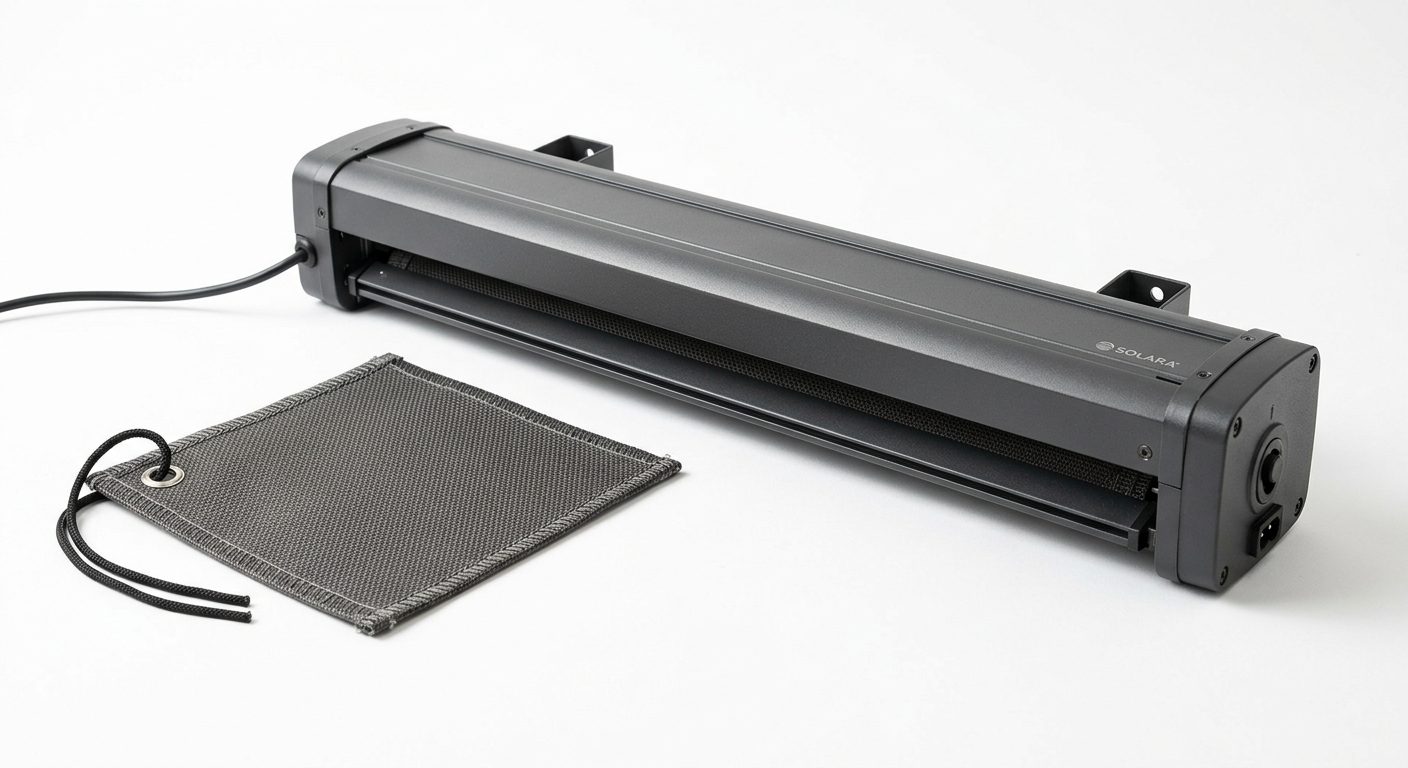
Exterior motorized shades and screens have become a common addition for Tampa Bay lanais and patios, extending the usable hours and comfort of outdoor living space that would otherwise be limited by sun, heat, or insects.
What Exterior Shades Actually Solve
A covered lanai or patio still faces significant issues from low-angle morning or evening sun, wind-driven rain, and insects — problems a roof structure alone doesn't fully address. Motorized exterior shades and screens close off these gaps on demand, effectively extending a semi-open outdoor space into a more fully usable room for more hours of the day and more of the year.
Solar and Privacy Screens
Exterior solar screens function similarly to interior solar shades — blocking heat and UV while maintaining some outward visibility — but are built with weatherproof-rated components designed for direct outdoor exposure rather than interior-rated hardware, which would degrade quickly outdoors.
Insect Screening
Motorized insect screens lower to fully enclose an open lanai or patio edge, turning an open-air space into a screened one on demand — a popular option for homeowners who want an open feel most of the time but a fully screened space during peak insect activity in the evening.
Storm and Wind Considerations
Exterior shade and screen hardware for Florida installations should be rated for wind exposure appropriate to the installation location, and most systems include an automatic wind sensor that retracts shades automatically above a certain wind speed to prevent damage during sudden storms — a feature worth confirming is included, rather than assumed, on any exterior shade system.
Motor and Hardware Durability
Exterior-rated motors and hardware need to withstand humidity, salt air (for coastal properties), and temperature swings well beyond what interior-rated components are built for. This is a meaningful reason exterior shade systems generally cost more per opening than equivalent interior shades — the added durability requirement isn't optional for a system that has to survive permanently outdoors.
Automation for Outdoor Spaces
Like interior shades, exterior shades and screens can be scheduled or sun-tracked — lowering automatically during peak afternoon sun or at dusk for insect protection, rather than requiring someone to remember to operate them manually each time the patio is in use.
The Bottom Line
Exterior shades and screens meaningfully extend how much of the day and year an outdoor lanai or patio is comfortably usable, but weatherproof-rated hardware, automatic wind retraction, and durability suited to Florida's climate specifically matter more here than for any interior shade project.